
Welcome World
BOXING CHAMPIONS – SERIES
Every successful organism must FIGHT TO ENDURE
Welcome to TFM’s Charter Series
A digital series exploring how struggle for supremacy in the ring shaped America, 1890–1929
Featuring Stories of Boxing Champions that Mattered
TFM is committed to preserving and sharing histories that reveal the exercise of power and control that often lie beneath struggle. Discover how boxers, at the pinnacles of their divisions, were granted or denied opportunity, confronted challenges, and were transformed by the world around them.
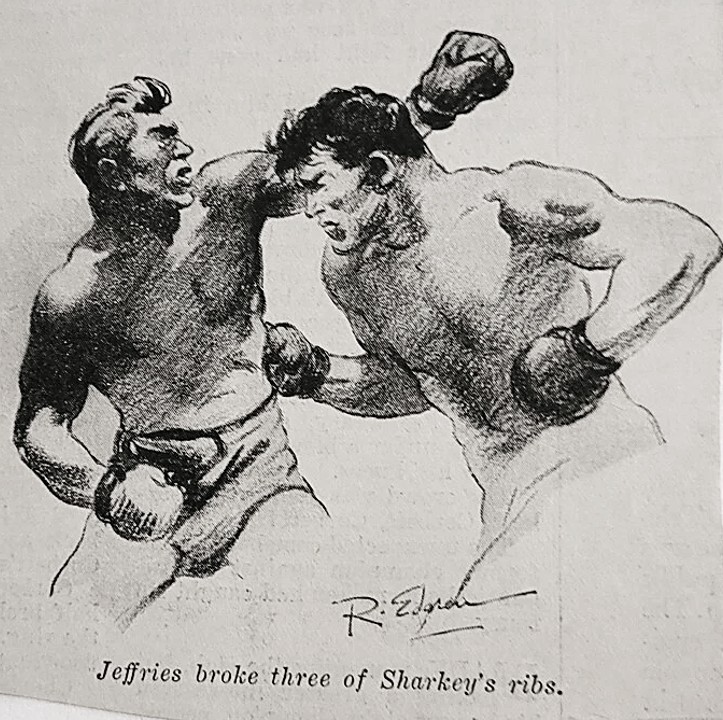
To the right is a newspaper clipping from the TFM Clipped Histories Collection featuring an illustration by nationally syndicated political and sports cartoonist Robert Edgren. The illustration depicts world heavyweight champion Jim Jeffries delivering a devastating blow to his rival, Tom Sharkey, during their title match on November 3, 1899, at the Coney Island Athletic Club in Brooklyn, New York. The fight was Jeffries’ first defense of his title, and he won by decision after 25 grueling rounds.
Get to Know Boxing’s Champions
BOXING CHAMPIONS in Black and White (1926–1929)
A Four-Year Centennial Series
Between 1926 and 1929, championship boxing stood at the center of American life—shaping how the nation understood strength, identity, belonging, and power.
This four-year centennial series examines that critical period through a sequence of presentations that move from construction, to controversy, to exposure, and ultimately to transformation.
Drawing upon materials from the TFM Collection, each year offers a focused lens into the forces that shaped boxing—and, in turn, the society that embraced it.
1926 — Championship Boxing at a Cultural Crossroads
The year 1926 marked a pivotal moment in which boxing, public spectacle, and emerging media converged to shape national identity.
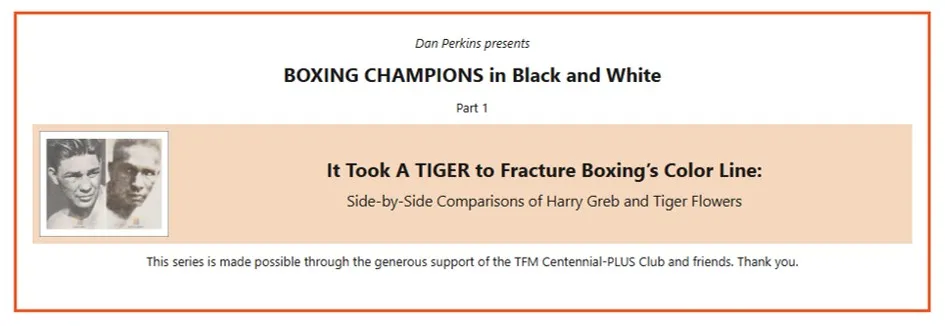
It Took a TIGER to Fracture Boxing’s Color Line
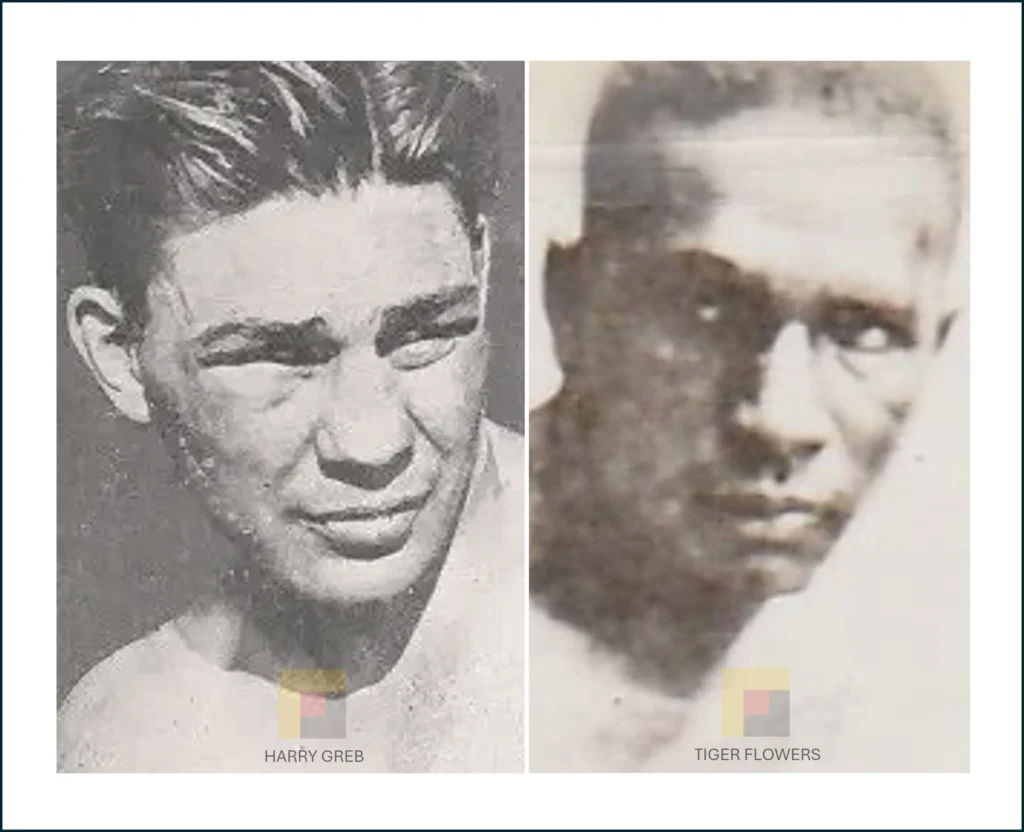
This year-by-year examination of Tiger Flowers’ rise to world championship status offers a vivid look at one of the most compelling chapters in middleweight title history. Set alongside a comparative study of Harry Greb, the Pittsburgh, Pennsylvania native who preceded him as champion, the presentation explores how opportunity, recognition, and resistance operated within a sport shaped by both competition and constraint.
At its deepest level, the presentation opens a window into boxing’s Black ecosystem in the years following World War I—a world shaped by restriction in the United States, yet sustained by opportunity beyond its borders. In places such as Juarez, Mexico, just south of El Paso, Black fighters found avenues to compete, develop, and endure.
TFM is honored to bring this overlooked history into view, restoring to the narrative the international dimensions that shaped Tiger Flowers’ rise to world champion.
FIGHT for AMERICA: The 1926 Sesquicentennial in Philadelphia
Set within the grand stage of the 1926 Sesquicentennial in Philadelphia, this presentation examines how boxing became part of a national effort to define—and display—American identity. At a moment of celebration marking 150 years of nationhood, championship boxing was placed alongside pageantry, innovation, and spectacle, elevating fighters to symbols within a larger national narrative.
Our examination of Boxing Champions in 1926 requires us to give an account of two extraordinary men of the ring: France’s Georges Carpentier and New Orleans native, Harry Wills. Both men, intimately familiar with championship bouts, found themselves in fragile positions as the summer of 1926 came to a close, one by age, the other by race. Through its collection, TFM incorporates accounts of both men in its Sesquicentennial presentation. Carpentier appears in a chapter titled Wilted Orchid, and Wills in a chapter titled, A Double Take on Titles. Click the drop-down tab below to see more of Harry Wills’ extraordinary story.
Central to TFM’s account of boxing during Philadelphia’s Sesquicentennial Celebration is Gene Tunney’s quest to win the World Heavyweight Title from Jack Dempsey, who had held the coveted title since 1919. Operating within this celebratory environment—where sport, patriotism, and modernity converged –the Tunney-Dempsey title fight of 1926 offers a dramatic example of. boxing’s transcendence from secret brawls on barges to official alignment with national identity. In 1926, boxing became an even more visible expression of how the nation saw itself—and wished to be seen.
At the same time, the presentation invites a deeper look at who was included in this vision, and who was not. The absence of the world ‘colored’ heavyweight champion, Harry Wills, raises enduring questions about access, representation, and power at a defining moment in American history.
TFM brings this convergence of sport, spectacle, and identity into focus—revealing not only how America chose to present itself, but also the limits of who was permitted to stand within that vision.
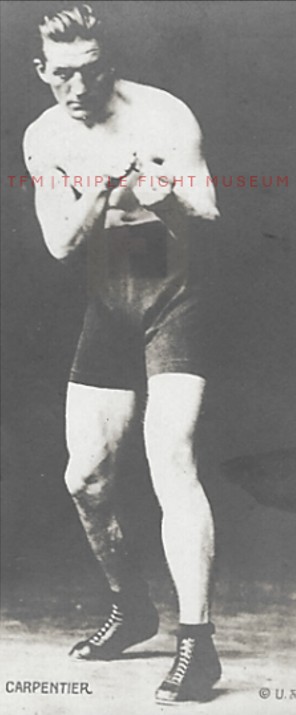
Georges Carpentier, depicted in a fight pose on a French postcard in the TFM Collection. 1926 was the final year in the storied career of France’s most celebrated boxer of the era.
Sesquicentennial Championship Bouts in Black and White
World Heavyweight Title
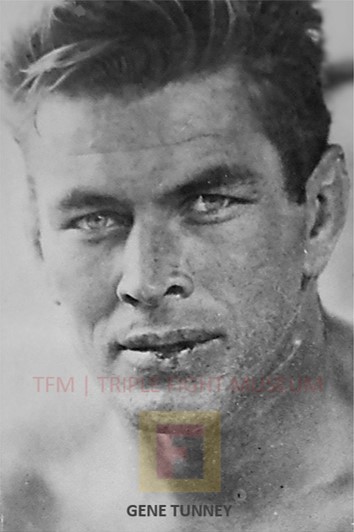
Tunney
Challenger
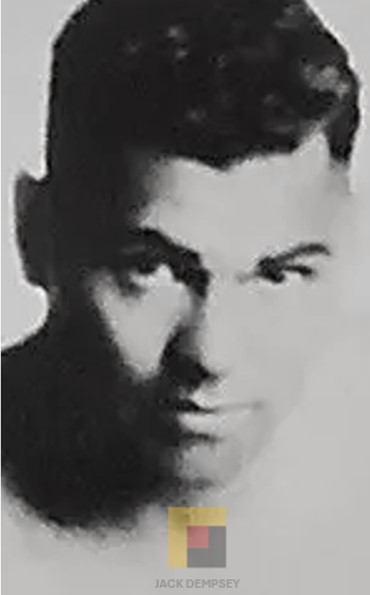
Dempsey
‘Colored’ Contenders – No Title
Godfrey
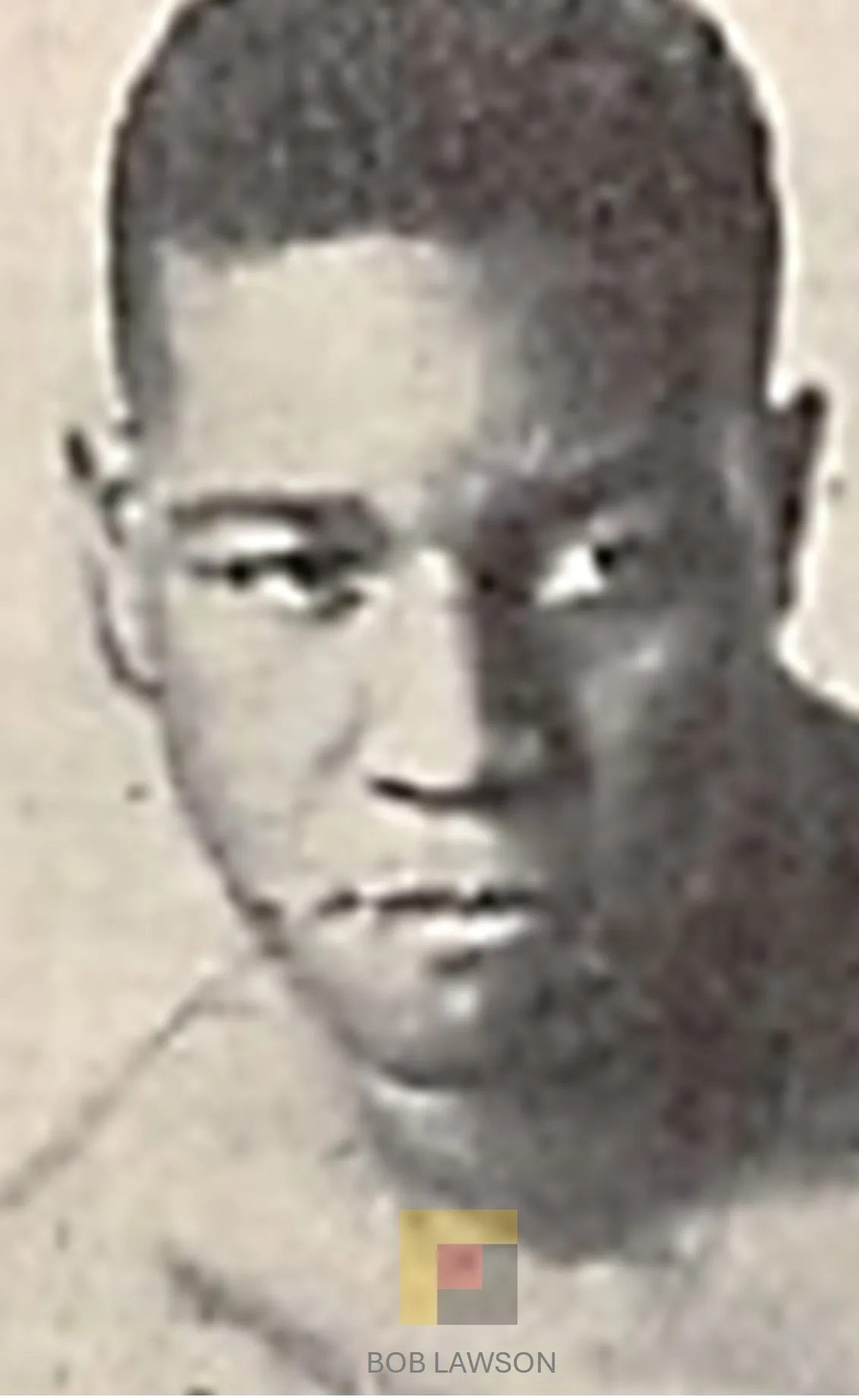
Lawson
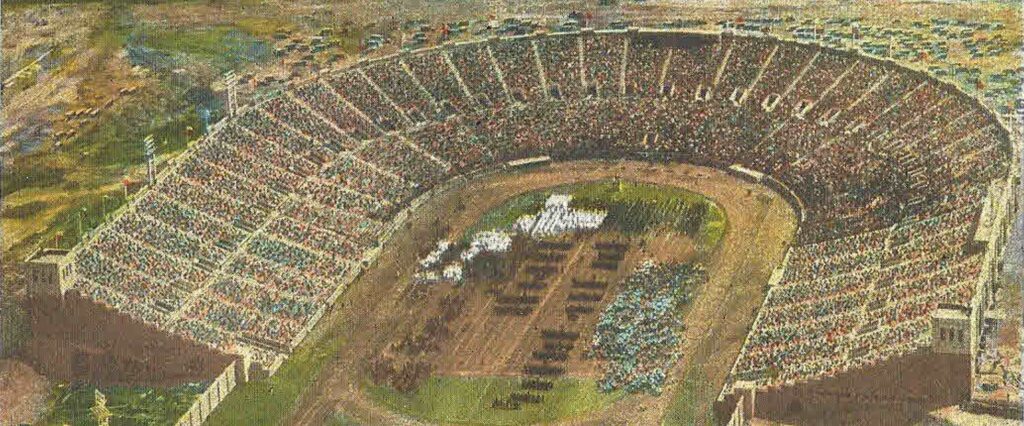
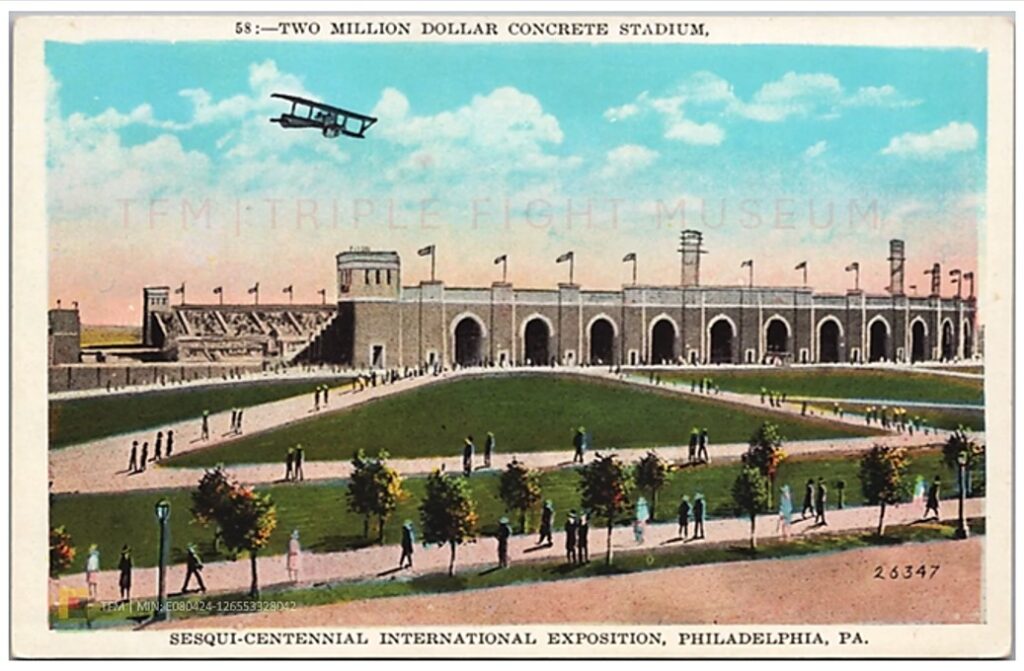
Planners of the Sesquicentennial Celebration in Philadelphia, commemorating the 150th anniversary of the birth of the American nation, envisioned a large stadium facility within an expansive exhibition campus. Georges Carpentier participated in the very first day of boxing at the stadium. Two weeks later, Gene Tunney won the World Heavyweight title from Jack Dempsey. One of Dempsey’s sparring mates, George Godfrey, fought a fellow-Black veteran of the ring, Bob Lawson, on the same ticket, but Harry Wills, the reigning world ‘colored’ heavyweight champion, was shutout. Below is another postcard view of the stadium, with an airplane flying overhead. Airplanes, symbols of modernity, were aligned with boxing champions to accelerate social acceptance of commercial aviation and passenger flight.[Note to DAN only: Create a link to aviation and other under TFM 6-parts.
At TFM, the places where struggles unfold are often as much a part of the story as the fight itself. Discovery begins by asking questions, designed to help you to see more.
FIGHT for AMERICA: The 1926 Sesquicentennial in Philadelphia
A sweeping exploration of how boxing, civic pageantry, and film combined to construct a national narrative. Organized across three movements—Events & Spectacles, Fights in Rings, and Mythology on Film—the program reveals how identity was staged, reinforced, and contested on a national scale.
mpions in 1926 requires us to give an account of two extraordinary men of the ring: France’s Georges Carpentier and New Orleans native, Harry Wills. Both men, intimately familiar with championship bouts, found themselves in fragile positions as the summer of 1926 came to a close, one by age, the other by race. TFM incorporates accounts of both men in its Sesquicentennial presentation. Carpentier appears in a chapter titled Wilted Orchid, and Wills in a chapter titled, A Double Take on Titles. Click on the drop-down tab below to see more of Harry Wills’ extraordinary story.
Georges Carpentier, depicted in a fight pose on a French postcard in the TFM Collection. 1926 was the final year in the storied career of France’s most celebrated boxer of the era.
Sesquicentennial Championship Bouts in Black and White
World Heavyweight Title
Tunney
Challenger
Dempsey
‘Colored’ Contenders – No Title
Godfrey
Lawson
Planners of the Sesquicentennial Celebration in Philadelphia, commemorating the 150th anniversary of the birth of the American nation, envisioned a large stadium facility within an expansive exhibition campus. Georges Carpentier participated in the very first day of boxing at the stadium. Two weeks later, Gene Tunney won the World Heavyweight title from Jack Dempsey. One of Dempsey’s sparring mates, George Godfrey, fought a fellow-Black veteran of the ring, Bob Lawson, on the same ticket, but Harry Wills, the reigning world ‘colored’ heavyweight champion, was shutout. Below is another postcard view of the stadium, with an airplane flying overhead. Airplanes, symbols of modernity, were aligned with boxing champions to accelerate social acceptance of commercial aviation and passenger flight.[Note to DAN only: Create a link to aviation and other under TFM 6-parts.
At TFM, the places where struggles unfold are often as much a part of the story as the fight itself. Discovery begins by asking questions, designed to help you to see more.
Why 1926 Matters:
Moments of celebration are also moments of definition and control. In 1926, boxing helped project a vision of America—one that reflected both aspiration and limitation, and allowed the nation to see only what the powers in charge wanted it to see.
A Double Take on Titles
HARRY WILLS: Dominant. Dignified. Denied
Enforcers of the Color Line silently curtailed title access for Harry Wills, World Colored Heavyweight Champion, in 1926.
Despite boxing fans’ desire to see title matches between World ‘Colored’ Champions and World Champions, most of whom were white, those who approved such matters were seemingly unwilling to allow the notion to advance, at least not in the heavyweight division, where Jack Jackson had reigned from 1908 to 1914. Johnson was a polarizing figure who offended those who felt he did not represent them, America, or the public deportment expected of a Black man. By contrast, Wills had a broad base of support, including many in the American press.
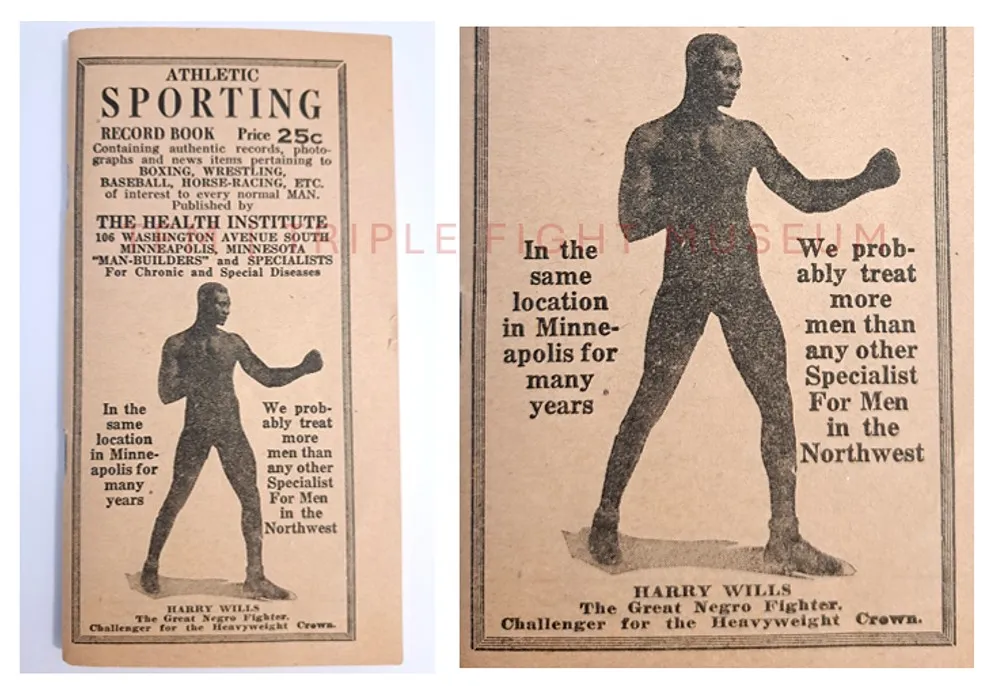
The TFM Collection contains items revealing his popularity across the American mainstream, including an original copy of the Athletic Sporting Record Book, published in 1926 by THE HEALTH INSTITUTE of Minneapolis, Minnesota. This pocket-sized booklet does two things: it gives evidence of a progressive entity unafraid to put the image of a physically powerful Black man on the cover of its publication promoting men’s health, and it also indicates the immense popularity Harry Wills enjoyed at that time. When one thinks of Black boxers, Minneapolis, Minnesota, is not necessarily the first place that comes to mind, even though boxing was a popular local sport.
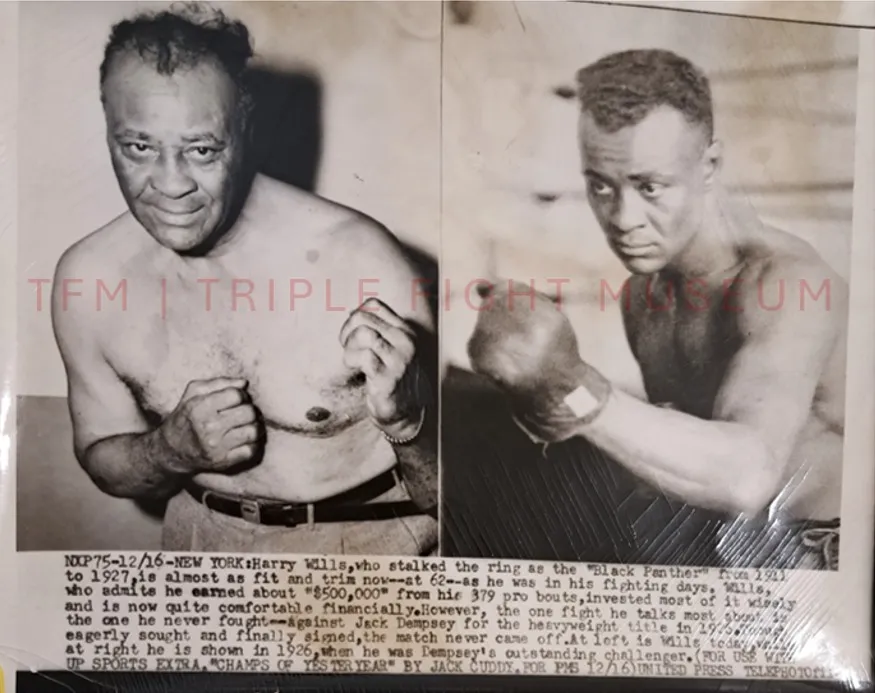
A second item in the TFM Collection is a newswire composite photo showing a current photo of Harry Wills at age 62, and a photo of him in his prime. The caption is illuminating and reads as follows: “75-12/16 – NEW YORK: Harry Wills, who stalked the ring as the “Black Panther” from 1911 to 1927, is almost as fit and trim now — at 52 — as he was in his fighting days. Wills,, who admits he earned about “$500,000″ from his 379 pro bouts, invested most of it wisely and is now quite comfortable financially. However, the one fight he talks most about is the one he never fought — Against Jack Dempsey for the heavyweight tile in 1926. Though eagerly sought and finally signed, the match never came off. At left is Wills today, while at right he is shown in 1926, when he was Dempsey’s outstanding challenger.”
Why Wills’ Story Matters Beyond 1926:
Harry Wills’ exclusion was due to any lack in either ability or public interest. It was a reflection of limits imposed by those who controlled the sport—and, more broadly, the society in which it operated.
1927 — Crisis, Controversy, and Consequence
In 1927, the structures that elevated champions the year before began to show signs of strain.
A Place of No Return
An examination of Jack Dempsey’s attempt to reclaim the heavyweight title from Gene Tunney, and the controversial officiating that cast lasting doubt over the outcome. The presentation explores how moments of uncertainty in sport raise broader questions about fairness, legitimacy, and control.
ROAR NO MORE: The Shocking Death of TIGER FLOWERS
A powerful reflection on the deaths of Battling Siki, Harry Greb, and Tiger Flowers, and their impact on boxing, the nation, and the African American community. The presentation restores these figures as human beings whose lives and losses carried deep cultural meaning.
Why 1927 Matters:
If 1926 revealed how champions were elevated, 1927 reveals how belief can be shaken.
1928 — Power, Nationalism, and the Boundaries of Recognition
By 1928, boxing had become a stage upon which questions of identity, nationality, and legitimacy were actively contested.
Heeney vs. Tunney and the Boundaries of American Championship
Using the 1928 heavyweight title bout as a focal point, this presentation traces how nationalism and racial boundaries shaped access to championship recognition from the era of John L. Sullivan forward.
BLACK on BLACK: The Forgotten History of World “Colored” Heavyweight Champions
A sweeping study of the parallel world of Black heavyweight champions who demonstrated elite skill and global reach while being denied access to the recognized world title. The presentation restores their place as central figures in boxing’s history.
Why 1928 Matters:
Questions of recognition and legitimacy are never neutral—they are shaped by the structures that govern and define opportunity.
1929 — Decline, Pressure, and the Forces of Change
By 1929, the sport faced mounting pressure to preserve its credibility amid declining engagement and uneven competition.
FIGHT OR LOSE IT: Championship Boxing at the Breaking Point
An examination of regulatory efforts by bodies such as the New York State Athletic Commission to enforce title defenses and maintain public confidence.
By the late 1920s, a pattern of selective championship competition—long shaped by racial and national boundaries—had begun to weaken the sport’s competitive integrity and erode public trust.
The presentation explores how exclusion contributed to stagnation, even as new talent stood ready to redefine the sport.
In the aftermath of World War I, the countries down under — Australia and New Zealand — boxing continued to be deeply embedded in their national identities, but neither produced a boxer who were world championship caliber
THEY KEEP COMING: The Unstoppable Rise Beyond the Color Line
A forward-looking study of the fighters who emerged as barriers began to break—among them Kid Chocolate, and later champions such as Henry Armstrong and Joe Louis, whose achievements demonstrated that excellence could not be contained by the boundaries that once defined opportunity. The arc extends into the mid-twentieth century, where figures such as Muhammad Ali would restore boxing’s global prominence.
Why 1929 Matters:
Moments of strain often reveal forces of change already underway.
Why This Series Matters
Taken together, these four years reveal a powerful arc:
- 1926 — Identity constructed
- 1927 — Trust challenged
- 1928 — Systems exposed
- 1929 — Systems strained and transformation begins
Through this progression, BOXING CHAMPIONS in Black and White demonstrates that boxing was never merely a sport. It was a lens through which Americans understood power, belonging, and themselves.
Drawing upon the TFM Collection, this series provides a framework for examining how those forces operated in the past—and how they continue to shape our world today.
Now Launching: The TFM Centennial PLUS Campaign
Join the Work
Every effort to preserve and share meaningful history requires support.
The TFM Centennial-PLUS Campaign provides a way to take part in this work—helping ensure that these stories are not only told, but endure.
Remember: FREEDOM is never FREE and GOOD requires MIGHT.
Join the FIGHT
Become a Member | Support the Centennial | Explore the Collection
TFM – In the FIGHT FOR GOOD