
Welcome World
Flowers-Greb Commemorations
Coming July 1, 2026
PRESENTATION ACCESS PANEL
It Took a
TIGER
To Fracture Boxing’s Color Line
An Under-Told Account of Transformation Among Middleweights
PRESENTATION MENU
Side-by-Side Comparisons: Tiger Flowers and Harry Greb (1923-1926)
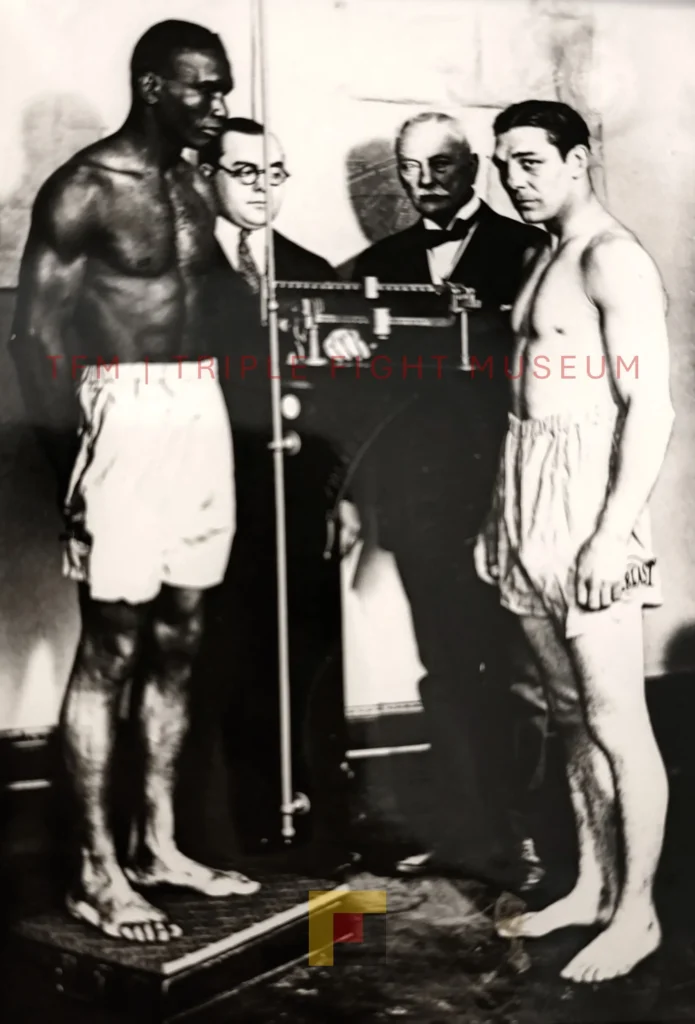
Tiger Flower stands on the scale, looking down at Harry Greb, prior to their historic title bout, which eventually led to seismic changes in championship boxing.
The Tale of Two American Middleweight Champions of the 1920s
Tiger Flowers
Harry Greb
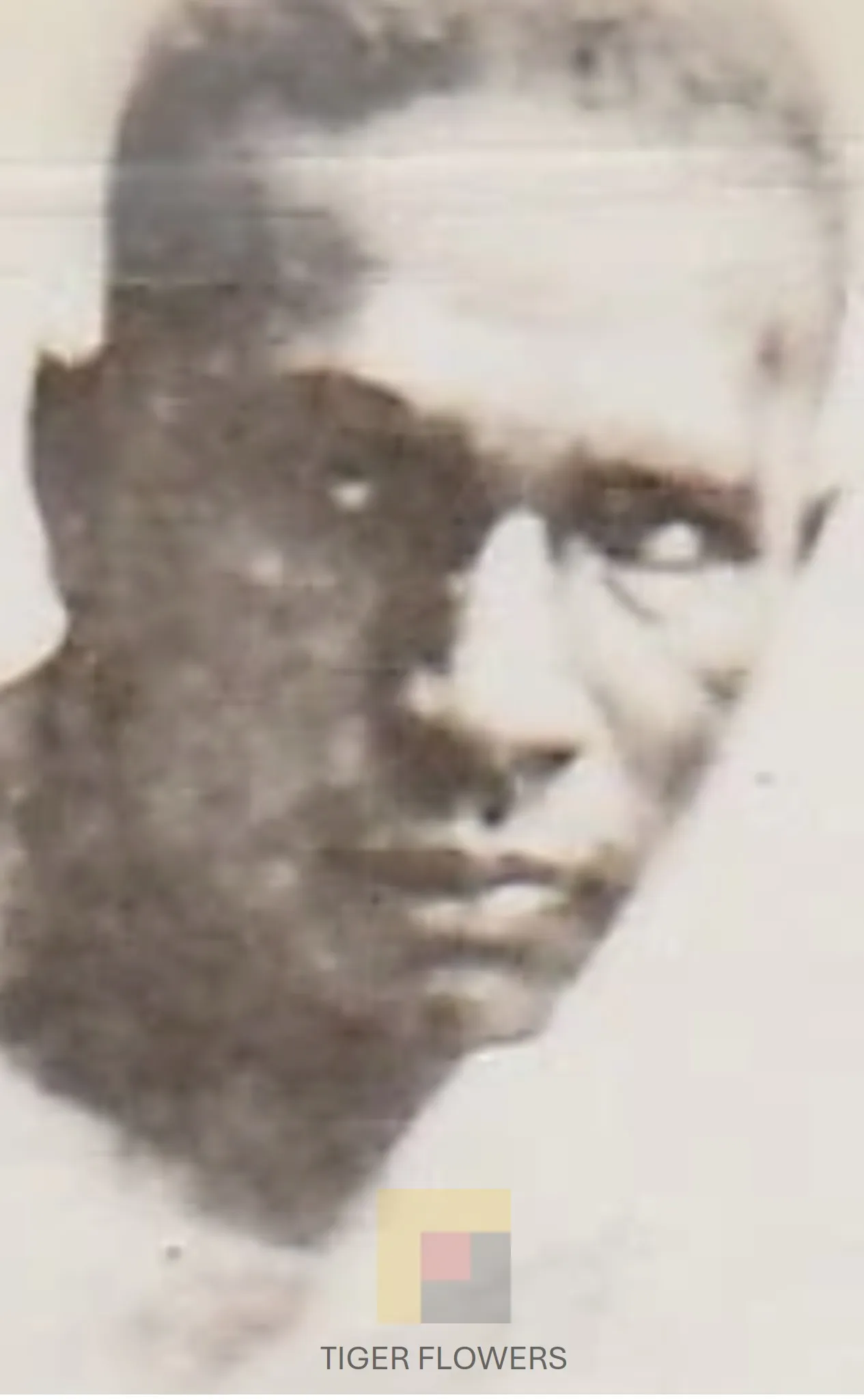
Tiger Flowers
USA-(GA)
Fight Years
(1918-1927)
Middleweight Champion
(1926)
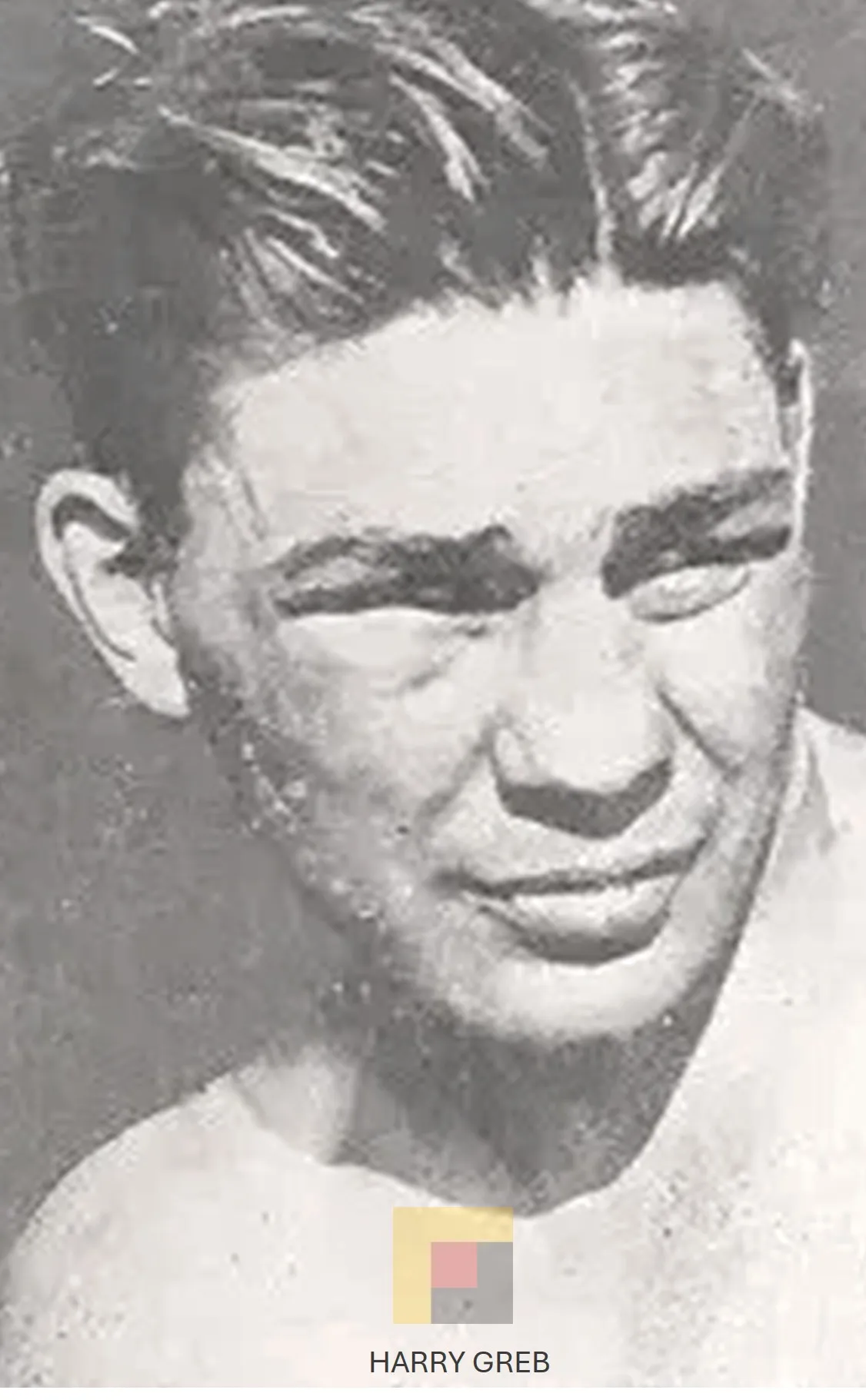
Harry Greb
USA-(PA)
Fight Years
(1913-1926)
Middleweight Champion
(1923-1926)
This presentation is part of the TFM Series:
Boxing Champions in Black and White
This presentation was made possible through the generous support of members of The TFM Centennial Club and other valued museum members. Thank you.
Welcome to Gallery 1 – Introduction
1926 – 2026
In the 1920s, professional boxing operated within two largely separate worlds. One produced the reigning middleweight champion, Harry Greb. The other produced a challenger from Atlanta named Tiger Flowers. This exhibit explores how those two worlds developed—and how they ultimately collided in one of the most revealing championship encounters in boxing history
Throughout 2026, TFM | The TRIPLE FIGHT Museum is hosting a year-long centennial commemoration of two moments central to this presentation: Tiger Flowers becoming the first Black man, and the first African American, to win the World Middleweight Championship, and the untimely and tragic death of Harry Greb in October 1926. Your journey of discovery makes you a valued participant in our commemoration. Thank you.
How did two fighters whose careers unfolded in largely separate boxing worlds ultimately meet for the middleweight championship in 1926?
TWO MIDDLEWEIGHT CHAMPIONS AND THE TWO BOXING WORLDS OF THE 1920s
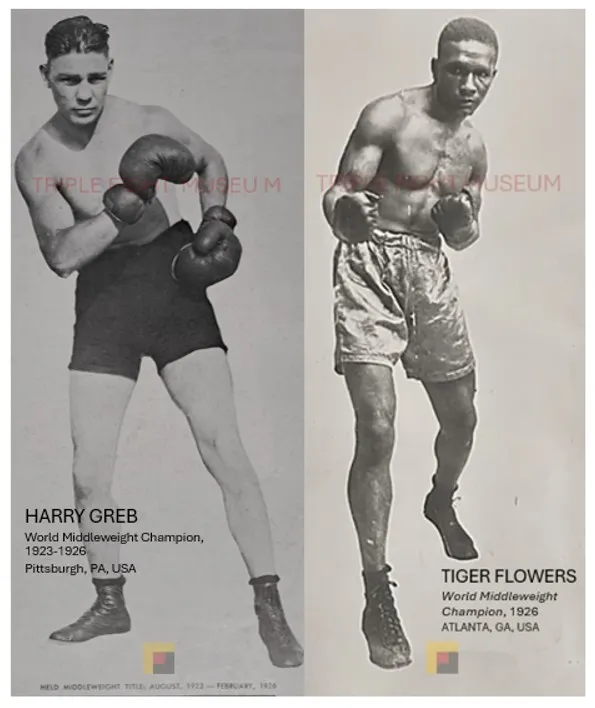
White Championship Circuit
Harry Greb
- Northeastern venues
- Established Promoters
- American Light Heavyweight Champion (1922)
- World Middleweight Champion (1923-1926)
1926
Black Championship Circuit
Tiger Flowers
- Southern Circuits
- Midwest Venues
- World ‘Colored’ Light Heavyweight Title Contender (1922)
- World ‘Colored’ Middleweight Champion (1922)
- World Middleweight Champion (1926)
TFM Series: Boxing Champions in Black and White
It Took a TIGER to Fracture Boxing’s Color Line
GALLEY 1 > INTRODUCTION
GALLEY 2 > COMPARISONS FOR 1923
GALLEY 3 > COMPARISONS FOR 1924
GALLEY 4 > COMPARISONS FOR 1925
GALLEY 5 > COMPARISONS FOR 1926
GALLEY 6 > WHY THIS MATTERS NOW
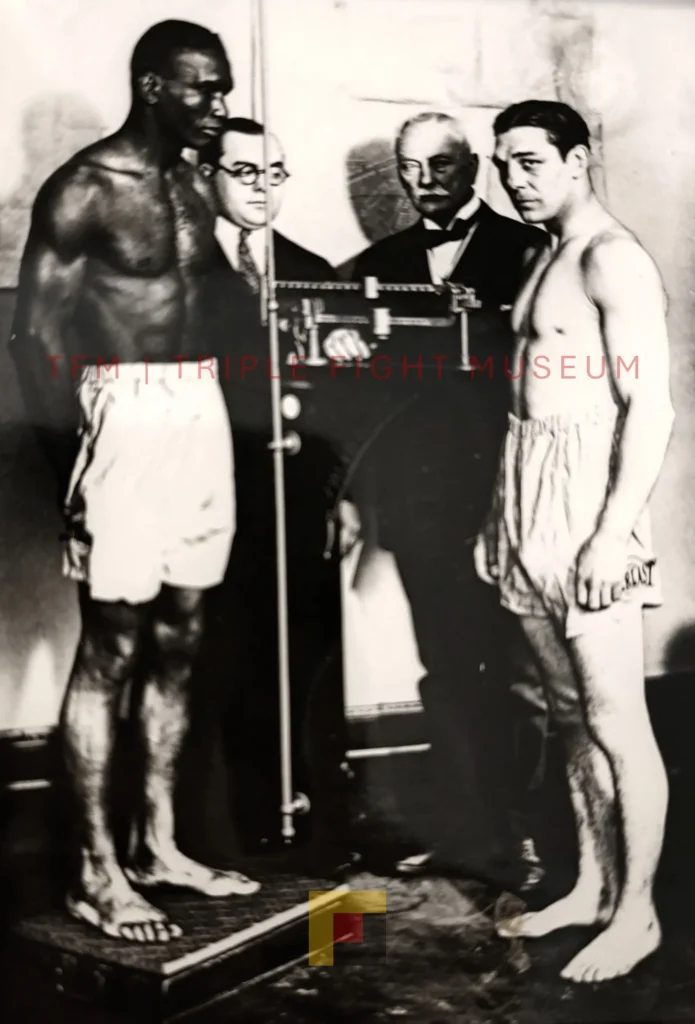
Discover how much these two champions had in common during the years they each pursued the World Middleweight Title.
Middleweight Champions: Side-by-Side Comparisons – Harry Greb and Tiger Flowers (1923-1926)
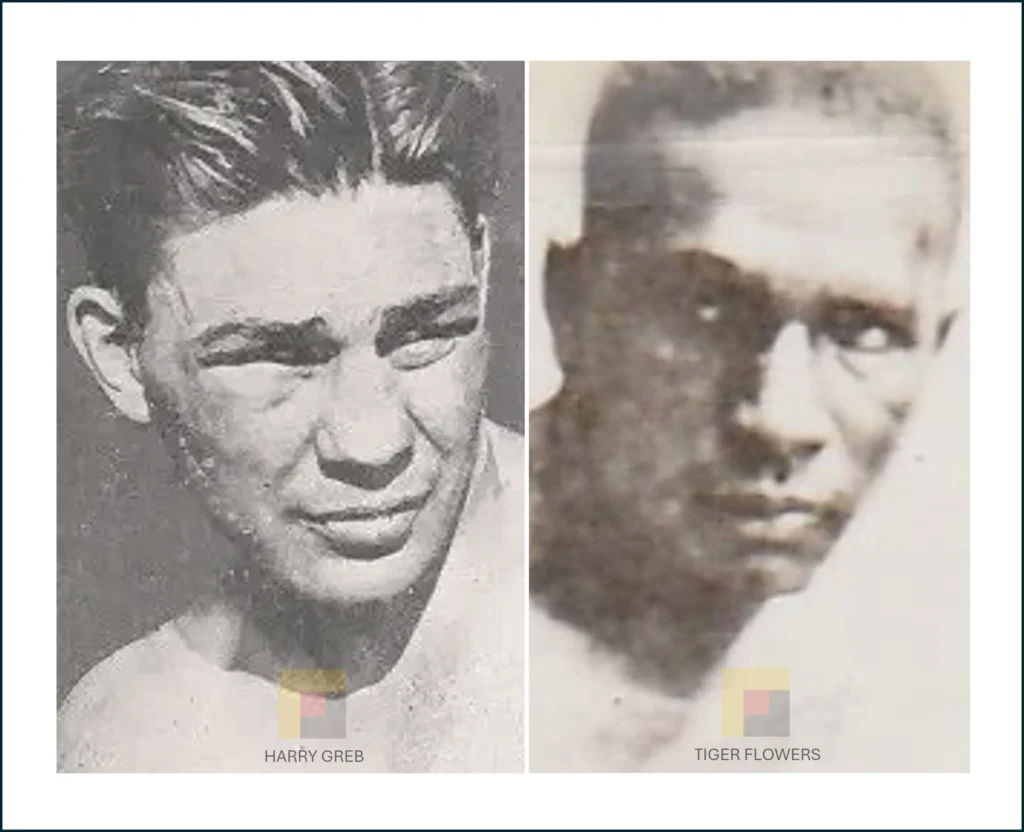
BACKGROUND
Introduction to the Flower-Greb Comparison
An introduction to the Flower-Greb Comparison, which looks at a dramatic fight series that fractured the color line for the Middleweight Division, and ultimately all of boxing, requires an understanding of the color line and its significance not only in boxing, but also in American society. We begin with an explanation of TFM’s approach to the color line, and then continue with a historical account of the color line in boxing.
TFM’s Approach to the Color Line
At TFM, our interest in boxing extends well beyond reporting fight outcomes and detailing who did what before, after, and during a boxing match. We aim to understand the sport’s formal and informal workings from 1890 to 1929, a period during which boxing in America evolved from a series of clandestine brawls into a respected international sport. This period of transformation often involved unseen parties dictating outcomes that aligned with undocumented designs for the sport and society as a whole. TFM’s presentation of It Took a TIGER to Fracture Boxing’s Color Line, is part of a larger museum focus that seeks to illuminate the making of boxing champions in Black and White. This analysis concentrates on race and the influence of print media.
No study of early 20th-century sports in America and American civilization is complete without examining centuries-old systems designed to contain, constrain, and disadvantage Blacks and other non-whites, women, people with disabilities, and people living non-traditional lifestyles. This museum exists to document, preserve, and promote intersections of fights in rings, fights among nations, and fights for equality and justice from 1890 through 1929. We do this work to better equip current and future generations in thinking critically and inclusively as they endeavor to create a more just, truthful, and sustainable world.
The Flowers–Greb Comparison reflects TFM’s analytical framework, which is designed to reveal much more than fight outcomes. TFM’s framework exposes the competitive systems that shaped who advanced, where they fought, and how championship opportunities were constructed. The color line in boxing was one of the informal, undocumented systems that preserved championships by excluding Black boxers from title contention. In this presentation, we offer evidence of its existence and illustrate how it was ultimately fractured in one of boxing’s most notable fight series.
A Brief History of the Color Line in Boxing
There was no formal, universally accepted rule excluding Black boxers from participating in title bouts across boxing’s many weight divisions. The color line was largely a social practice, rooted in notions of white superiority. While it had adherents throughout the colonialized world, it was especially virulent in the United States. The color line took root in America amidst a massive and often violent backlash to Reconstruction, a system that sought to enfranchise formerly enslaved Americans. Racial hierarchies of the former Confederacy were restored in Southern States, and social advances made possible during Reconstruction were dismantled through sweeping race-based laws and covenants nicknamed Jim Crow. Some states, like Louisiana and Mississippi, outlawed mixed-race boxing altogether. In the industrial North and Midwest, racial restrictions were imposed in many sectors to advantage white Americans and the throngs of Western European immigrants who flocked to America during the Industrial Revolution, most notably the Irish and Germans. With such laws came general acceptance of racial separation, also known as segregation, in most walks of life.
How Boxing is Organized
Boxing is a sport organized by weight classes, commonly called divisions. Over the years, the definition and number of divisions have changed to reflect changes in human physiology, but the concept of boxing is to group competitors and competition by weight. The boxing divisions represented in the TFM Collection from 1890 through 1929 are shown in the adjoining chart. Although greatness was reflected in individuals and fights across all of boxing’s divisions, the one division that counted most, and in many ways still does, is the Heavyweight Division. It is the division where big men inspire the public’s imagination and command the greatest attention and admiration. It was also the one division that attracted the attention of national leaders. As early as the late 1700s, heavyweight champions were positioned as national champions and representatives of their nation in sport, and the World Heavyweight Champion was regarded as the greatest of all athletes.
BOXING DIVISIONS
Listed in Descending Order
- Heavyweights
- Light Heavyweights
- Middleweights
- Welterweights
- Lightweights
- Bantamweights
- Featherweights
- Flyweights
Note: The list above does not include all the divisions that existed from 1890 through 1929. For example, the Light Welterweight division was formed in the 1920s, but the list reflects only the divisions represented in the TFM Collection.
The Color Line Among Heavyweights
The earliest and most visible advocate for the color line in boxing was John L. Sullivan, an Irish-American heavyweight who was the American champion at a time when boxing was transitioning from bare-knuckle contests to gloved contests governed by the Rules of the Marquess of Queensberry, which were first introduced in England in 1867. The Rules mandated padded gloves, three-minute rounds with one-minute rest periods, a 10-second count for knockdowns, a defined ring, and the prohibition of wrestling and clinching. These rules established the foundation of modern boxing.
Unlike baseball and American football, boxing was a global sport, in no small measure due to the social influences of European colonial powers, beginning with the British Empire. Colonialization meant that people of African descent, who were subjected to colonialism, including those in the American colonies prior to the American Revolution, were often exposed to boxing and, in some cases, given access to the sport.
Peter Jackson, a prominent Black prizefighter of the late nineteenth century, was one such person. A native of St. Croix, then a Danish possession that became part of the U.S. Virgin Islands, Jackson learned to box as a merchant seaman. In 1886, he became the national champion of Australia, his adopted country, and World ‘Colored’ Heavyweight Champion in 1888. During the early 1890s, Jackson sought to challenge Sullivan for the world title. Sullivan, who boasted of taking on all challengers, refused to battle Jackson and became outspoken in his opposition to allowing Black boxers to contend for titles. In 1908, John L. Sullivan was quoted in a Chicago newspaper as saying, “Draw the color line. Let the Blacks fight it out among themselves.”
A Great Rivalry Denied Because of the Color Line
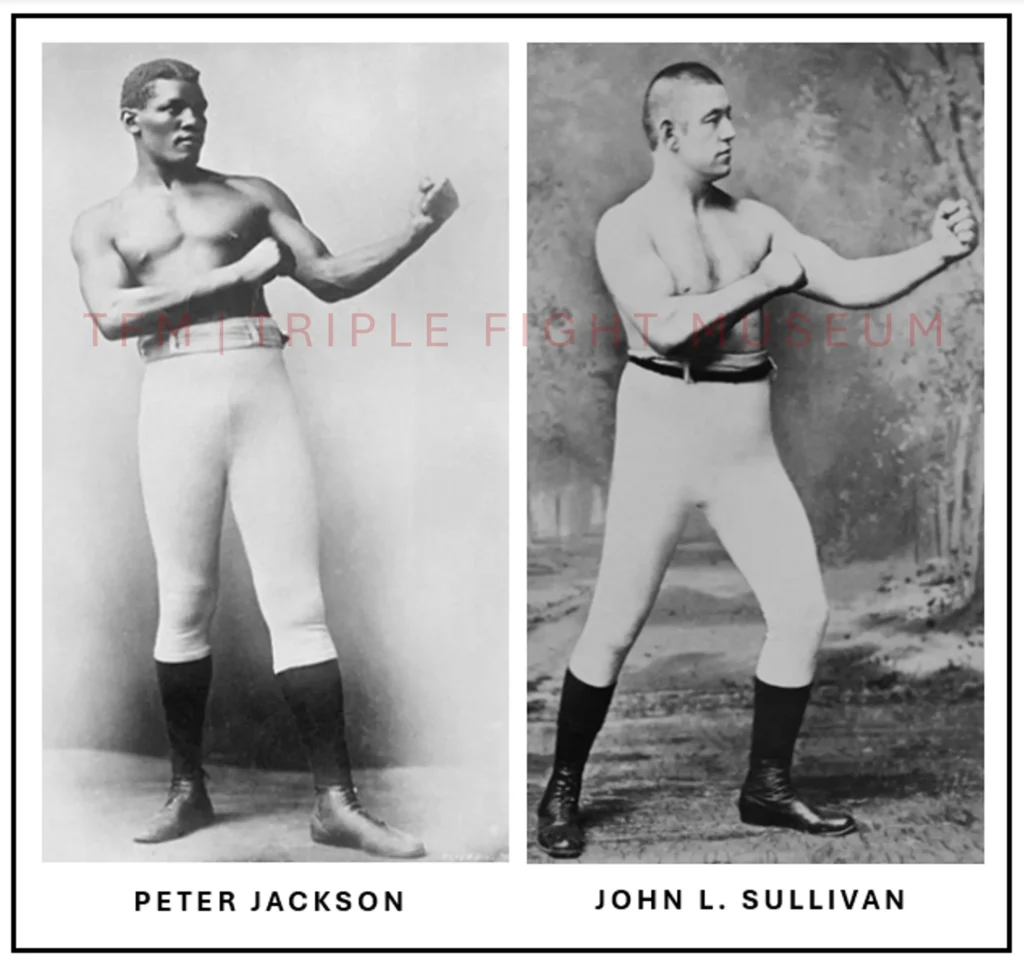
Although John L. Sullivan refused to fight a Black man for the World Heavyweight Title, Peter Jackson’s greatness could not be denied. In 1892, Jackson won the British Empire (Commonwealth) Heavyweight Title in London, and John L. Sullivan retired after losing to Jim Corbett, who became World Heavyweight Champion.
John L. Sullivan helped to “Normalize” the Color Line, beginning with his refusal to fight Peter Jackson.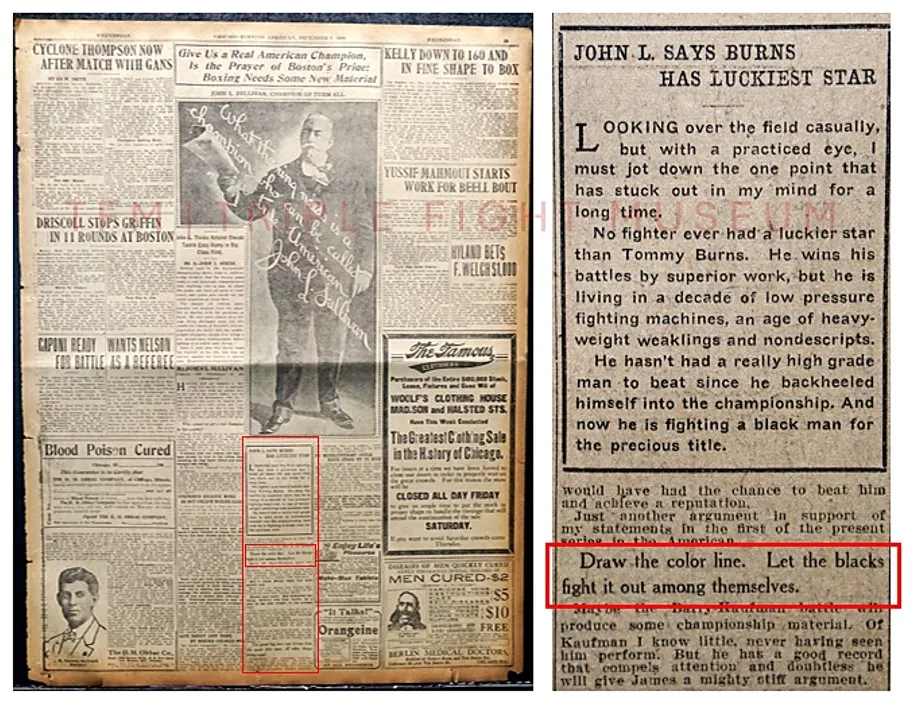
Shown above is the sports page of the Wednesday, December 9, 1908 edition of the Chicago Evening American. Prominent on the page is a photograph of John L. Sullivan, who is regarded by some as the first world heavyweight champion of the modern gloved era of boxing. Appearing in cursive over Sullivan’s photograph is a quote from the boxer that reads, What Boxing needs is a champion that can be called a real American. Sullivan’s statement was a not-too-subtle swipe at the then-reigning heavyweight champion, Tommy Burns, who resided in America but was a Canadian of Italian descent. The newspaper has an equally controversial quote reflecting Sullivan’s views on the color line.
The Post-Reconstruction notion of ‘Separate but Equal’ was founded on a false premise, and boxing proved it.
The color line produced outcomes that were neither credible nor sustainable. A parallel and popular boxing ecosystem continued to thrive and attract global attention. True fans understood that greatness is never restricted to any race or color.
World Heavyweight Champions 1892 – 1905
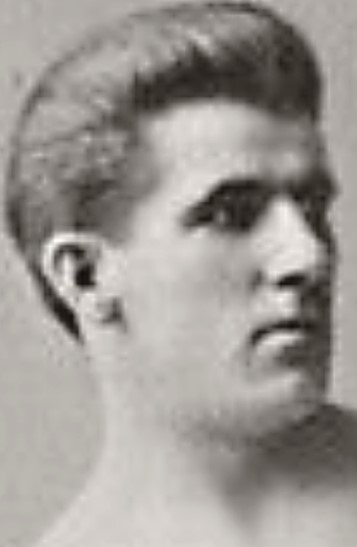
Jim Corbett
Championship Yrs:
(1892 – 1897)
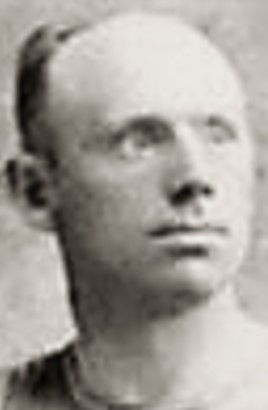
Bob Fitzsimmons
Championship Yrs:
(1897 – 1899)

Jim Jeffries
Championship Yrs:
(1899 – 1905)
Sullivan’s immediate successors, Jim Corbett, Bob Fitzsimmons, and Jim Jeffries, shared his views on the color line. While each engaged in mixed-race matches, none ever entertained the prospect of Blacks as title challengers.

Tommy Burns
Championship Yrs:
(1906 – 1908)
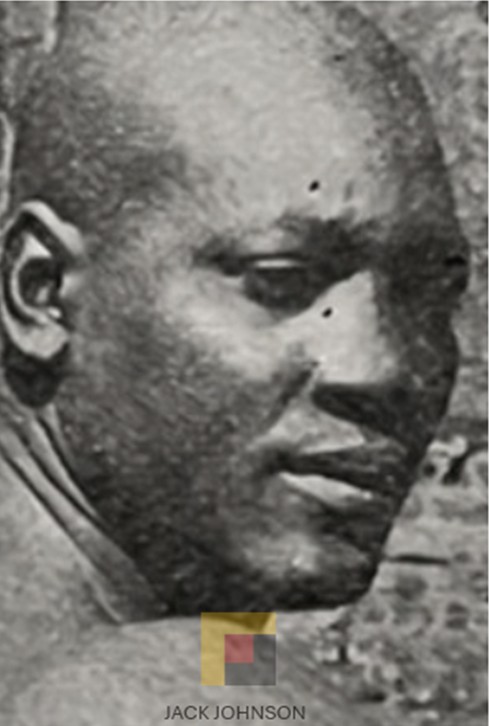
Jack Johnson
Championship Yrs:
(1908 – 1915)
Tommy Burns was an exceptional champion who famously stated that he was not interested in being the “White Heavyweight Champion of the World,” simply the World Heavyweight Champion. In 1908, a young Jack Johnson, then World ‘Colored’ Heavyweight Champion, sailed to Australia to campaign for a title bout with Tommy Burns, Canada’s first World Heavyweight Champion. Burns agreed to the fight, and Jackson won the match before a packed stadium in Sydney, becoming the first Black man to hold the World Heavyweight Title. Other Black boxers had achieved world championship status in other divisions, but no Black man had ever contended for the most coveted prize in organized sport. Johnson’s historic accomplishment sparked a fierce backlash in the States and inspired a generation of hopefuls, known as Great White Hopes, to endeavor to restore the heavyweight championship to the white race.
Although Jack Johnson cracked the Color Line in the Heavyweight Division in 1908, it would be roughly thirty years before another Black man, Joe Louis, would again hold the title. Following Jack Johnson’s fall as champion, social progress was slow to take hold across all segments of American life, but movement towards greater inclusion began to surface in the mid-1920s within boxing’s middleweight division.
Fracturing the Color Line Among the Middleweights
This presentation examines Tiger Flowers and Harry Greb over five years, from 1922 through Greb’s untimely death in 1926, to illuminate the circumstances that led to Tiger Flowers becoming the first African American to hold the World Middleweight Championship. The presentation begins with a look at the ambition that drew the two men increasingly into each other’s orbit. The eventual confluence began in 1922, as each man pursued various boxing titles. As fans of early 20th-century boxing, we are fortunate that individuals and events related to boxing were extensively documented across a variety of print media. The exhibit card shown below, copyrighted in 1923, mentions several crucial facts:
- at the time the card was published, Tiger Flowers was the World ‘Colored’ Middleweight Champion,
- Johnny Wilson was still the World Middleweight Champion, and
- Flowers had already expressed interest in challenging Johnny Wilson.
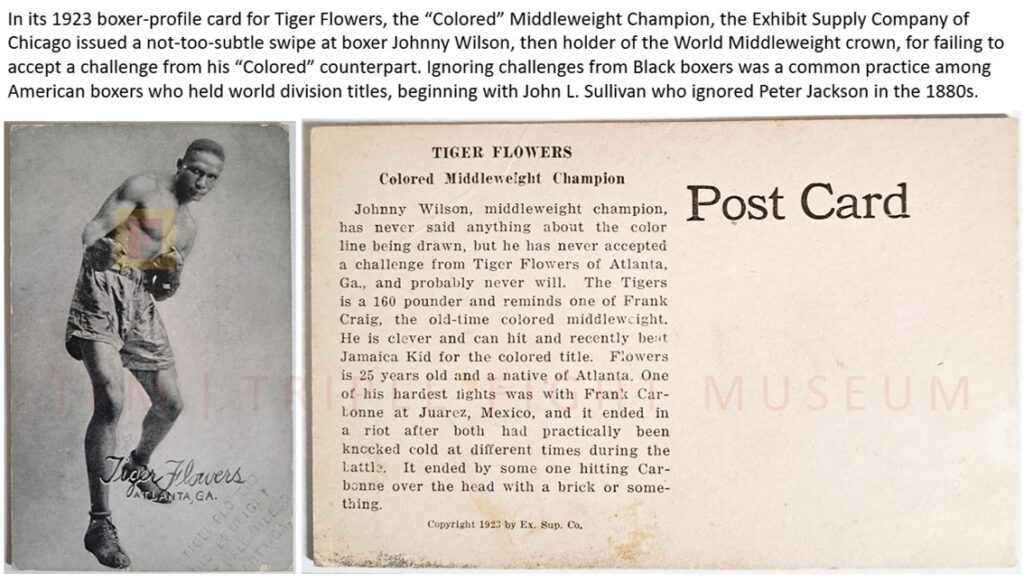
The postcard reveals a situation in boxing worth reflecting upon. When the postcard was published, Tiger Flowers had already begun challenging boxing’s color line, which was an informal agreement among boxing champions to block African Americans from title contention. The Exhibit Supply Company of Chicago intimated that Johnny Wilson would likely ignore Flowers, meaning he would likely invoke the color line rule.

Then-World Middleweight Champion, Johnny Wilson, had several developments to consider, and among them were not only the title aspirations of a man nicknamed the Georgia Deacon, but also those of a tough German-American boxer from Pittsburgh, Pennsylvania, named Harry Greb, who, like Flowers, was also eyeing the Middleweight Crown. This is where the TFM comparison begins, with two aspiring and highly capable boxers, one Black, the other white, eyeing a crown that had a legendary history and was worn by an Italian American from New York City, who happened to be the first Italian American to hold a world title.
Racial, ethnic, and regional rivalries were all at play during the 1920s, and “It Took A TIGER to Fracture Boxing’s Color Line” offers a seldom explored window into that world. The presentation closes by considering what is needed to achieve breakthroughs today.
Why This Comparison Matters
Comparing distinguishing aspects of competitors is a universal practice among sports analysts, commentators, and historians. Such information is prized among sports fans and is typically the basis for much pre-competition conjecture regarding outcomes, which fuels gaming activities.
In boxing, comparing the physical attributes of competing boxers was a common feature of pre-fight newspaper coverage of a fight during the four decades that are the focus of THE TRIPLE FIGHT (1890-1929), a period in which there was extensive overlap between three categories of fights: F1-Fights in Rings (Boxing and Boxers), F2-Fights Among Nations (Military and War) and F3-Fights for Equality and Justice (in America and beyond).
Another set of fight comparisons involves examination of boxers’ fight records, which are typically distinguished by W-Wins, L-Losses, Draws (Equal Performance), and NC-No Count and No Decision (NC-ND typically occurring when a referee stopped a fight due to poor performance by the contenders).
At TFM, a boxer’s fight record is only part of the analysis. We like to begin by considering the number of fights undertaken and the number of opponents a boxer engaged over a period of time, and/or within a specific market. We are often interested in knowing the number of fighters a boxer encountered, say, in Philadelphia, in a given year or over their career. The number of contenders a fighter has met in a ring provides an indication of the breadth of their fight experience. This is an important qualifier because two boxers might have fought the same number of fights but encounter different numbers of ring rivals, and thus will have different depths of experience. A boxer might have had ten ring encounters in one year, but may have only engaged with five rivals, which means the fighter fought each rival an average of two times. The boxer with only five rivals had a different range of experiences than a fighter who had ten ring encounters with ten different rivals. In making side-by-side comparisons between boxers, we first list the number of fights they fought in a year followed by the number of contenders to underscore similarities or differences in the breadth of two boxers’ experience in a given year.
Another significant marker for us at TFM is the number of locations a boxer fought in, which signals the boxer’s prominence and viability within regional, national, and international markets.
We note relevant titles a boxer might have attained and then conclude with side-by-side comparisons of fight outcomes, which tells us how well a boxer campaigned in a given year.
Taken together, the multi-tiers of performance indicators provide an illuminating picture of how well each boxer performed in a given year and the geographical breadth of their annual campaigns. With this information in hand, we then consider three additional elements in our annual comparisons: 1) the alignment with championship efforts – either direct or indirect, 2) the number of opponents they had in common, and 3) any locations and venues they shared.
Such information provides a comprehensive framework for gauging the following:
– similarities and differences between two boxers in a given year and over time
– the competitiveness of the sport
– the structures of advancement within boxing, and
– the vibrancy of the Black boxing circuits and boxers.
Formulating a more complete picture of the ecosystems in which boing in America evolved is foundational to understanding and appreciating the fullness of boxing’s history and America’s history. This presentation brings to life two boxers worth remembering and, in so doing, reveals a community of boxers that was essential to the advancement of the sport and ultimately, American society. Black boxers, through their conditioning and ring battles, reflected extraordinary resiliency and resistance in a time of structured racial isolation and constraint. In so many ways, they embodied the fighting spirit of America.
About The Greb-Flowers Comparison and TFM’s 6-Part Framework
TFM has we devised a framework through which we examine people, places, and events pertaining to the three fights that comprise THE TRIPLE FIGHT: Fights in Rings (Boxers and Boxing), Fights Among Nations (Military and War), and Fights for Equality and Justice. In the right column, we look at how our Comparisons between boxing’s middleweight greats, Tiger Flowers and Harry Greb, aligns with our framework.
Here is our checklist ensuring the alignment of Champions with TFM’s six-part framework:
Part 01. Comparing Champions and THE TRIPLE FIGHT
The comparison illuminates study of THE TRIPLE FIGHT by amplifying two key elements: major developments with the sport of boxing [F1], and social inequality during the 1920s as evidenced in the sport of boxing, social advancement, and access to opportunities with boxing.
Part 02. Comparing Champions and ABOUT
TFM’s ABOUT section focuses on the following: 1) specific dimensions of a boxer’s personal and professional life that was significant during their career, 2) the state of the sport, the society, and the world, and ways in which dynamics within those spheres impacted the boxer and the sport; and 3) the geographic imprint of the sport and the boxer, which signals the resources supporting their careers and the markets that were open to them. The comparisons of Tiger Flowers and Harry Greb broaden understanding of each of the noted areas of focus and enrich appreciation for the times in which they lived.
Part 03. Comparing Champions and F1-Fights in Rings
The Comparison enriches understanding of one of the most significant championship quests of the 1920s, and period in which championship ranks were quite volatile. Through the comparison, we learn not only how competition in America’s middleweight division was structured, but also gain insight to the mechanisms at work, behind the scenes, controlling access and advancement in the sport.
Part 04. Comparing Champions and F2-Fights Among Nations (Military and War)
The Comparison of a portion of the careers of Tiger Flowers and Harry Greb provide an important window to understanding the effects of two Wars on American society and the sport of boxing. Harry Greb began his professional boxing career in 1913, the year New Mexico joined the Union as a state, and unrest in Mexico spilled over into that state, leading the U.S. to conduct what it called a Punitive Expedition three years later, which was followed by America’s entry into World War I. Greb’s career allows us to see how one extraordinary boxer advanced his career during one of the most turbulent periods in American history. By contrast, Tiger Flowers began his career in the Segregated South in 1919, a year that was filled with racial violence sparked by African Americans, particularly army veterans, were demanding the full rights of citizenship after supporting America’s war efforts. Those demands for equality received extensive pushback by those seeking to institutionalize segregation through Jim Crow laws. Although TFM does not have direct materials covering either men’s military activities, if any, the comparisons show that their boxing aspirations were occasionally conducted in state armories, which at the time were vital facilities across the American landscape.
Part. 05 Comparisons and F3-Fights for Equality and Justice
The Comparisons between Tiger Flowers and Harry Greb allow us to appreciate two distinct boxing ecosystems, distinguished by race. Tiger Flowers’ career is dotted with encounters with many outstanding boxers, most of who spent their careers battling one another within the restricted confines of Black boxing circles. It was in these circles that Flowers gained his first championship title, World ‘Colored’ Middleweight Champion. Our comparison shows that many of the title bouts were held in prominent venues in America and in major international markets, signaling substantial interest in the events. Although largely ignore in both current and subsequent accounts of boxing history, the viability of Black boxing circuits are a reality that produced a host of notable contenders, some of whom, like Tiger Flowers, eventually became World champions. Our comparison also allows us to contrast Flowers’ experiences with those of Harry Greb, who reached the pinnacle of the Middleweight Division through more celebrated competitive methods.
Part 06. Champion Comparisons and OTHER
TFM’s OTHER section provides space for consideration of how boxers and the sport of boxing influenced and was influenced by other sectors of society, ranging from the arts to the sciences. One of the most striking and disturbing outcomes experienced by Harry Greb and Tiger Flowers was their deaths, one year apart, for the same medical procedure involving routine removal of scar tissue that affected both men’s vision. The shocking death of both men were major news stories at the time, and TFM is honored to have in its collection a vinyl recording of Porter Grainger’s (The Singin’ Piano Man) “He’s Gone Home” – dedicated to Theodore Tiger Flowers.
Anchored within the TFM 6-Part Framework, this presentation is more than just a series of comparisons between two great boxers. It is a work that provides an important revelation into the fluidity and dynamics of a sport that was gaining universal acceptance and making a significant imprint within the social fabric of American life during the 1920s.
The comparisons in this presentation center on the ring meetings of Harry Greb and Tiger Flowers, which occurred three times over the course of three years, and reflected the competitiveness of the sport, the structures of advancement within boxing, and the vibrancy of the Black boxing circuits and boxers. Formulating a more complete picture of the evolution of boxing in America is foundational to understanding and appreciating the fullness of America’s history with sports and as a civil society. This presentation brings to life two boxers whose lives and ring accomplishments mattered during their lifetimes and still do. In addition, this presentation reveals of a community of boxers that were essential to the advancement of the sport, and ultimately American society. Black boxers, through their conditioning and ring battles, reflected extraordinary resiliency and resistance in a time of structured racial isolation and constraint. In so many ways, they embody the fighting spirit of America.
Side-by-Side Comparisons: Middleweight Champions – Harry Greb and Tiger Flowers (1923-1926)
*
Summary and Conclusion
The Flowers–Greb comparison reveals that championship boxing in the 1920s did not operate within a single unified arena. Instead, fighters often advanced through distinct competitive circuits shaped by geography, promotion, and race. While the convergence of their paths culminated in two title bouts in 1926, the process of convergence began earlier with their meeting in Fremont, Ohio in August 1924, and continued through the presence of common opponents in the years that followed.
Their distinct career trajectories illuminate the broader racial and geographic segmentation of that defined much of American society at that time. Harry Greb achieved prominence primarily in northern venues that featured largely white ring rivals, while Tiger Flowers built his record across a broader geographic landscape that included regional markets and international circuits catering to fans of Black boxing.
When their professional pursuits finally converged at the championship level in 1926, the result marked the beginning of an extraordinary transformation. Flowers’ win over Greb distinguished him as the first African American to hold the World Middleweight title, and in the decade that followed, more African Americans would win world titles across multiple divisions than in any previous era of the sport. While Flowers’ achievements and those that followed did not lessen America’s racial divide beyond the ring, it gave Black boxers a level of visibility and acclaim that inspired generations and gradually lessened segregation in all sports.
Thus, the Flowers–Greb rivalry reminds us that the history of boxing is more than a record of fights; it is also a record of how opportunity itself was structured and advanced within American society. These more expansive approach to history invites thinking individuals to not only consider the nature of opportunity in America today, but to work towards crafting more inclusive corridors of inclusion and advancement, now and in the future. That is what it means to be in the FIGHT FOR GOOD.
About TFM and F1-FIGHTS in RINGS (Boxers and Boxing). TFM is committed to telling the history of boxing as an international sport and with the broadest lens possible. We pay particular attention to ways in which boxing was cultivated and positioned in America to advance notions of power, masculinity, virtue, dominance, and opportunity from the outset of the American Empire in 1890, through the 1920s. Through multiple presentations, TFM illustrates how boxing functioned not only as a sport but as a powerful lens through which life was experienced, interpreted, and remembered during the four decades that best reflect THE TRIPLE FIGHT (1890-1929).
Coming Soon
More of F1
FIGHTS IN RINGS
(Boxers and Boxing)
*